The Professional Lecture Series

This series of speakers focuses on the family as a natural system and on knowledge from the study of other natural systems and the sciences. A distinctive feature of this meeting is the length of time the presenter is given to develop and illustrate ideas followed by audience discussion. The ideas presented are to encourage a broader way of thinking about the human as a product of evolution both in one's own family and in the natural world. Click here to view past Professional Lectures on our Youtube Channel.
Professional Lectures are held online via Zoom 7:00pm - 8:30pm Eastern Time.
Lectures are free and open to the public.
For the latest updates, sign up for our newsletter. Or keep an eye on the Center Calendar and this webpage.
2026 - 2027 Professional Lectures
October | December | January | February | March
Registration coming soon! Lectures are free and open to the public.
Many previous lectures from this series have been recorded. View the playlist.
Upcoming Lectures
OCTOBER 29, 2026
The Natural History of Social Bonds
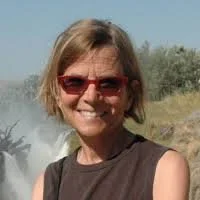
Joan B. Silk, PhD
Mammalian females play a critical role in the lives of their offspring, nurturing them during pregnancy and feeding and protecting them after birth. In many gregarious species, offspring of one or (rarely) both sexes remain in their natal groups beyond weaning and maintain close ties to their mothers and other maternal kin. In several species of baboons, females remain in their natal groups throughout their lives while males disperse to prevent inbreeding. In these species, females are embedded in extended matrilineal kinship networks, and maternal kinship structures the patterning of associations and behavior among females. Females form exceptionally strong, well-balanced, stable, supportive, and long-lasting relationships with close kin—mothers, daughters, and sisters. These bonds endure, even as females’ grow old and their physical condition deteriorates. Close social bonds help females buffer the stresses of everyday life, and enhance longevity a key source of variation in the females’ lifetime reproductive success.
Joan B. Silk is a Regents Professor at Arizona State University. She is evolutionary anthropologist, and is interested in how evolution shapes the behavioral strategies of individuals in primate groups. She has conducted field research on olive, yellow, and chacma baboons in Kenya and Botswana. Dr. Silk earned her PhD at the University of California, Davis (1981), and has been a member of the faculty in Anthropology at the University of California, Los Angeles (1986-2012) and the School of Human Evolution and Social Change at Arizona State University (2012-present). She was elected to the American Academy of Arts and Sciences in 2015 and the National Academy of Sciences in 2022.
Dr. Silk is the co-author of How Humans Evolved, a textbook in evolutionary anthropology which is now in its 10th edition and haverecently completed a primatology textbook, Primate Lives, which will be published next year. Visit her website. For a full list and links to her publications, see her Google Scholar Page.
DECEMBER 17, 2026
Talking Across the Political Divide
Nancy Sugarman, MEd
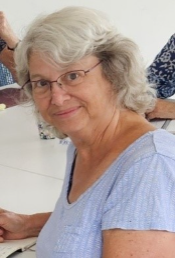
Ms. Sugarman will share the Braver Angels mission, vision and guidelines that enable individuals to connect across the political divide. Participants will hear examples and practice using these guidelines with a topic that encompasses different political viewpoints. Participant interests and questions will help steer the presentation.
Nancy Sugarman is a retired educator who worked in the fields of adult education, early childhood special education, professional development and administration. As a retiree, she continues as a volunteer in various facilitator roles including committee management, and group facilitation. She was a founding member of the Chittenden County Braver Angels Alliance in 2023 and has been their Alliance meeting facilitator since then. She has also presented for Braver Angels and is a Braver Angels trainer/moderator. For the last two years she organized and facilitated a series of conversations about Israel and Palestine within the Jewish community, based in part of Braver Angel guidelines. Visit the Braver Angels website.
JANUARY 14, 2027 | 7:00 - 8:30 PM ET
Presentation information Coming Soon
FEBRUARY 4, 2027 | 7:00 - 8:30 PM ET
The Therapist’s Journey: Notes on the Development of a Bowen Oriented Therapist
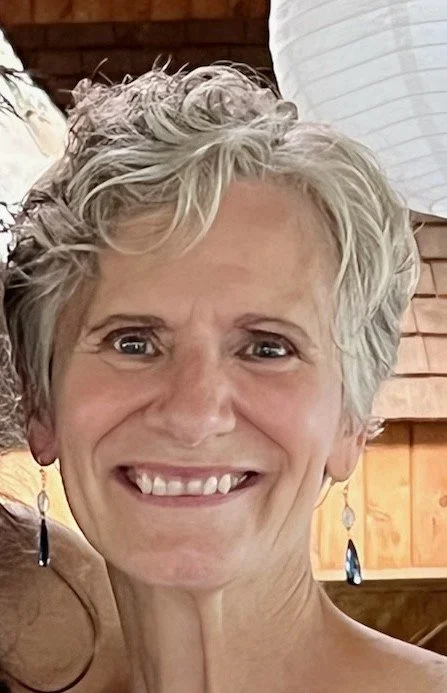
Kammy Kelton, MA, LCMHC
What is it to be a Bowen theory oriented therapist? This conference will explore one therapist’s experience in coming to Bowen theory after many years in the field and employing many models. Topics include:
How Bowen Theory defines the role of the therapist and what it is to do Bowen family systems therapy.
How Bowen theory differs from other models of therapy.
Reflections on “growing up” as a clinician and the influence of family of origin on this process.
Bowen theory as a useful guide to developing a more differentiated presence as a helper.
The possibility of reducing the risk for burnout.
Kammy Kelton, MA is a Licensed Clinical Mental Health Counselor in private practice in Waterbury, Vermont. Prior to starting her practice in 2000, she spent a decade working in community based and private mental health organizations. This included residential treatment, home-based family therapy, and therapy and clinical coordination at O.U.R. House, a child advocacy center specializing in the prevention and treatment of child sexual abuse. Kammy’s private practice focuses on Individual adults presenting with a variety of concerns and challenges. She applies systems thinking to help clients strengthen themselves and their families. Kammy has a BA in Sociology from UVM and an MA in Counseling Psychology from Antioch New England Graduate School. She received a certificate of advanced training in Bowen theory from The Vermont Center for Family Studies in 2020, after completing 3 years of the VCFS professional training program. She has been on the faculty of VCFS since 2020. She has made public presentations on Bowen theory, including topics such as launching young adults by launching oneself, strength-based exploration of family of origin patterns, and the impact of family of origin work on her work as a therapist.
MARCH 4, 2027 | 7:00 - 8:30 PM ET
The Contours of Westcott Family History Spanning Fourteen Generations
Christine Broderick Emmanuel
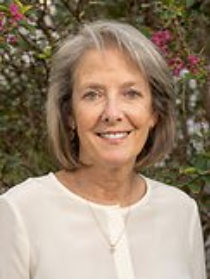
The breadth of genealogical records, historical documentation, and cascading multigenerational narratives embedded in The Westcott Story offers family systems professionals a rare body of evidence worthy of rigorous examination.
Drawing from archival research spanning 400 years in America, the author traced her family’s legacy across fourteen generations, illustrating how inherited characteristics, relationships, historical context, and pivotal life events shape the course of human development. The presentation demonstrates how deep family history can enrich our understanding of human potential within an evolving web of intergenerational influences.
Christine Broderick Emmanuel was born and raised as one of nine children in Pittsburgh, Pennsylvania, “GEN 12” She is a twenty-year resident of Pensacola, Florida. A self-described connector, documentarian, and family historian, she is one of 81 Brodericks and 47 Emmanuels among living siblings, spouses, and offspring.
Ms. Emmanuel earned an B.A. in Social Work from Saint Mary’s College, Notre Dame, Indiana, and an MBA from Florida State University, Tallahassee. Recognized for technical writing and journalistic excellence, her work has appeared in local, regional, and national publications. In January 2025, she published The Westcott Story: The Enduring Spirit of an American Family Spanning 400 Years. The unbroken thread connects 22 successive generations in her mother’s maternal bloodline—14 generations in America. Visit her website. .
Past Lectures 2025 - 2026
Cooperation and Conflict in Animal Societies
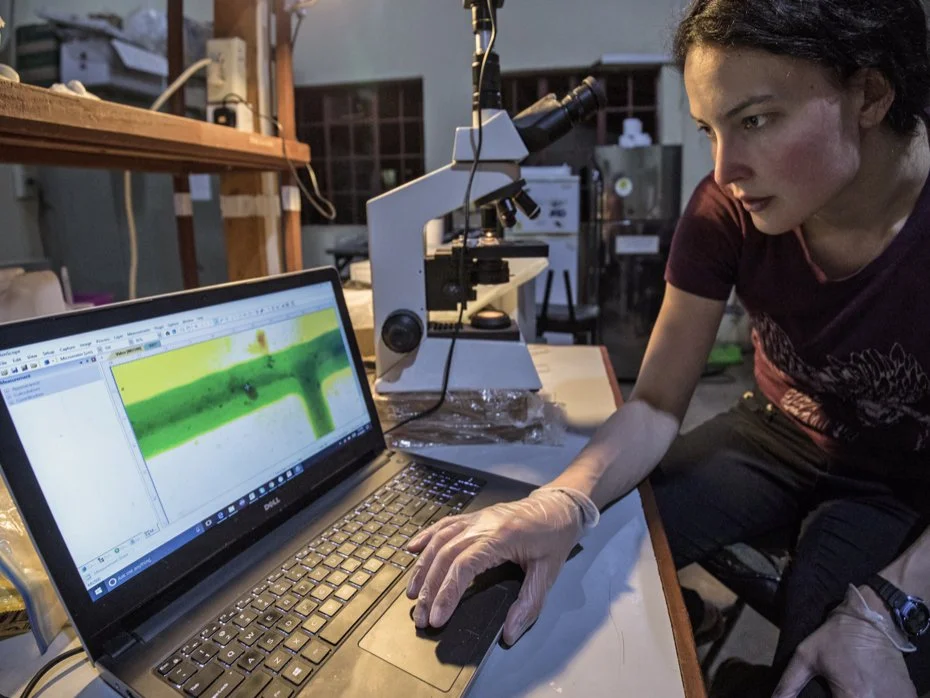
Kaia Tombak, PhD
‘Why cooperate?’ is a long-standing question spanning centuries and academic fields, and is a central theme in animal behavior research. Dr. Tombak will describe the nature of this debate in evolutionary biology and relate it to her work on zebra social behavior, primate social networks, and how egalitarianism emerges in mammal societies.
Three key points:
Four principal evolutionary forces are thought to affect group cohesion in most animal groups: food competition, disease risk, predation risk, and mate competition.
One way to mitigate the competition-related costs of group-living is to form a social hierarchy. However, the stability of hierarchies can be dynamic and depends on the frequency of domineering individuals in the population (from a game-theoretic perspective) and the degree to which subordinates are exploited relative to the costs of leaving the group.
Egalitarianism has been largely overlooked in animal behavior research, where it has been assumed to arise from random interactions, but structured, maintained egalitarianism has recently been found in a few species.
Dr. Tombak is an evolutionary biologist focused on social evolution and the diversity of animal societies. She studied the evolutionary forces that affect group cohesion in zebras for her PhD at Princeton University and has also studied social behavior and evolution in primates (red colobus monkeys, lowland gorillas, and savanna chimpanzees) in the years before and since. A recent branch of her research has focused on comparative mammalogy and the (Western) social biases that affect evolutionary thought. She is currently a postdoctoral fellow at University of Toronto, where she studies how egalitarianism emerges in mammal social groups. Learn more about Dr. Tombak
The Role of Mutualisms with Other Species in Human Mental Health and Well-Being
Rob Dunn, PhD
It is easy to imagine humans, and so too their well-being, to be separate from the rest of life. This assumption is false. Drawing on studies of the organisms that live on human bodies and in human homes (which have revealed hundreds of thousands of species living with us), Dunn considers the extent to which human well-being, identity, and even personality are dependent upon the identity of the species with which humans live. But it is not only which species surrounding us that matters. Our well-being also depends on how we perceive—or fail to perceive—the living world around us. Dr. Dunn will describe the type of organisms surrounding us and the role they play and conclude by describing ongoing interventions at NC State University designed to reconnect students to more of the rest of life. This presentation will explore:
The extent of human dependence on other species
Some of the ways in which our daily interactions with other species affect well-being
An understanding of the speed with which these interactions have changed
Examples of successful interventions to better human relationships with the rest of life
Dr. Dunn is the author of Never Home Alone: From Microbes to Millipedes, Camel Crickets, and Honeybees, the Natural History of Where We Live Learn More about him at https://robdunnlab.com/
Being a Self from the Middle: Differentiation, Hierarchy, and the Work Environment
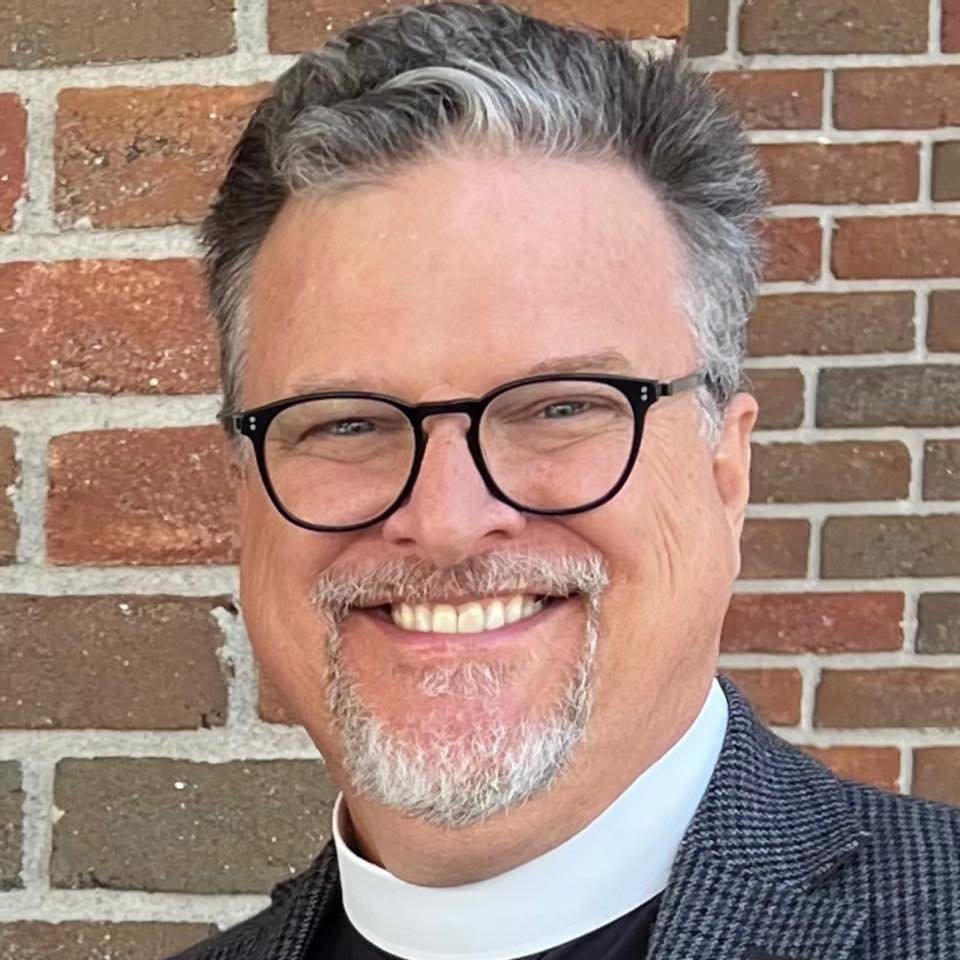
Rev. Robert Abrams
Defining a self is a lifelong undertaking. In the workplace, this process presents unique challenges—including how one may think about self within a hierarchy. This presentation considers the benefits, pitfalls, and challenges of what it means to define a self “from the middle”: when accountability to a superior, and oversight of those lower in rank in the organization, are a reality of one’s work environment.
Rev. Robert A. (Bob) Abrams serves as Assistant to the Bishop of the Southern Ohio Synod of the Evangelical Lutheran Church in America, having been ordained after sixteen years of legal practice focusing on litigation. He holds a Bachelor of Arts degree from Ohio Wesleyan University, a Juris Doctor from The Ohio State University College of Law, and a Master of Divinity from Trinity Lutheran Seminary. He is a graduate of the Natural Systems Academy of the Evangelical Lutheran Church in America, has completed two years of the Postgraduate Program at the Bowen Center, and remains in supervision with Bowen faculty.
Thinking Theory in an Elevator
Dixie Vandersluys, MA, CCC and Katherine White MS, RMFT
Watch Thinking Theory in an Elevator
How would you describe differentiation of self to a stranger in a 30-second elevator ride? That is the challenge put out by the Living Systems podcast, Elevator Systems. This presentation will look at the usefulness and challenges of presenting Bowen theory in “brief and understandable” ways. Podcast hosts Dixie Vandersluys and Katie White will walk you through the format of the podcast, some of their favorite moments, as well as the impact this podcast has had on their own understanding of theory. Watch the YouTube video where Ms. Vandersluys and Ms. White introduce their presentation.
Ms. Vandersluys is a Canadian Certified Counsellor based in Manitoba, Canada. She has undergraduate degrees in history and philosophy and a Master of Arts in Counseling from Providence Theological Seminary. Dixie enjoys seeing clients across Canada in her private practice, Storybrook Therapy. Dixie is also a faculty member at Living Systems Counseling and Training and is creator and host of the Elevator Systems podcast.
Ms. White is a Marriage and Family Therapist registered in the US and Canada. She has been working with individuals, couples and families in schools, clinics, and non-profit centers for twenty years in the US, Australia and Canada. In 2010, Katie began focusing her practice using Bowen family systems theory and has attended the Post-Graduate Program at the Bowen Center. Katie is currently the Executive Director of Living Systems, a non-profit organization in Vancouver Canada which focuses on Bowen theory in its training and counselling practice. Katie teaches and supervises interns there, as well as managing a private practice in Vancouver.
Five Misconceptions of Bowen Theory and Clinical Practice
Vanessa Roulette Ellison, MSW, MDiv, LCSW

Misconceptions about Bowen theory can significantly influence whether clinicians view it as a viable theoretical framework to guide their clinical work – often beginning as early as graduate school. These misconceptions can also affect how clinicians not formally trained apply it in practice, as well as how both clinicians and non-clinicians make referrals to those who specialize in it. This presentation explores five misconceptions about clinical work grounded in Bowen theory: It 1) is limited to work with couples and families, 2) discounts technique, 3) dismisses emotions and feelings, 4) overly emphasizes individuality, and 5) neglects issues related to culture, sexuality, gender, and trauma. Participants – clinicians and non-clinicians alike – are invited to reflect on these ideas, consider which misconceptions they would or would not include, explore how their perspective might inform how their understanding and application of the Bowen Theory.
Ms. Ellison is a licensed clinical social worker and Bowen theory consultant with a private practice in Midlothian, Virginia working with individuals, couples, and families. She serves on faculties for the Bowen Center and Leadership in Ministry and works with professional groups that utilize Bowen theory for leadership training. She has worked with people of various ages and multicultural backgrounds and in a group practice, university counseling services, and community-based services. Learn more on her faculty biography.
Joseph: Family Rupture, Reconciliation, Repair, and Redemption
Watch Joseph: Family Rupture, Reconciliation, Repair, and Redemption
Rabbi Rachel Hersh, MSW, BCC
In Jewish tradition, the Biblical Joseph is called "HaTzadik - the Righteous" by our rabbis. His story spreads across four sections of Torah reading, bringing the Book of Genesis to a stunning finale and laying the foundation for the Book of Exodus. Seen through the lens of family systems theory, this story highlights important ways that Joseph breaks some of the challenging family patterns in his own lineage and offers inspiration for us to reflect on our own. Come explore this remarkable piece of storytelling, engaging both classical rabbinic commentary and modern family systems theory as we seek to understand some of what this story teaches. Faculty member Barbara Laymon, PhD, MPH will contribute to the discussion.
Rabbi Hersh serves as director of Jewish enrichment and engagement at JSSA, a historically Jewish human service agency serving neighbors of all backgrounds across the national capital region. Through her work at JSSA, she integrates Jewish wisdom and tradition with clinical human service practice, spiritual care and mindfulness techniques for agency staff, clients, patients and community partners. Prior to her work at JSSA, Rabbi Hersh had a long tenure in synagogue spiritual leadership.
The Sexual Evolution: Why Sexual Diversity is Normal, Natural, and Advantageous
Nathan H. Lents, PhD
From insects to apes, Professor Lents will present a fascinating journey through the animal world, revealing what the incredible array of sexual diversity can teach us about ourselves. Nature, it turns out, has made generous space for diverse genders and sexual behaviors. Why? Because when it comes to evolution—diversity wins. This conclusion is rooted in science and cultivated from understanding the full breadth of sexuality that exists throughout all species.
Nathan H. Lents is Professor of Biology at John Jay College, where he is the director of the Cell and Molecular Biology program. His research lab studies human genetic evolution and forensic DNA technology. He also writes regular popular science articles and is the author of Not So Different: Finding Human Nature in Animals, Human Errors: A Panorama of Our Glitches, from Pointless Bones to Broken Genes, and The Sexual Evolution: How 500 Millions Years of Sex, Gender, and Mating Shape Modern Relationships. Learn more at www.linktr.ee/nathanlents