The 63rd Annual Symposium on Family Theory and Family Psychotherapy
November 6 - 7, 2026
Arlington, Virginia or Online
REGISTER FOR THE SYMPOSIUM
Each Symposium features both a Guest Lecturer and a full roster of presentations from members of the Bowen network who present and discuss their latest research. Ample time is allowed for audience questions and discussion. Continuing education credits will be available.
Distinguished Guest Lecturer: Dr. Scott F. Gilbert
The Symposium is a hybrid conference. It will be held in-person at George Mason University in Arlington, Virginia or ONLINE.
Registration information is coming in August. Please sign up for the newsletter for updates on registration, schedule, presentations, and more!
Conference Information
Guest Lecturer Bio and Presentations | Conference Location and Hotel Block | Register | Schedule | Conference Presentations | Poster Sessions | Continuing Education Credits | Related Event | Bowen Theory Resources | Questions and Updates | Previous Conferences
Guest Lecturer
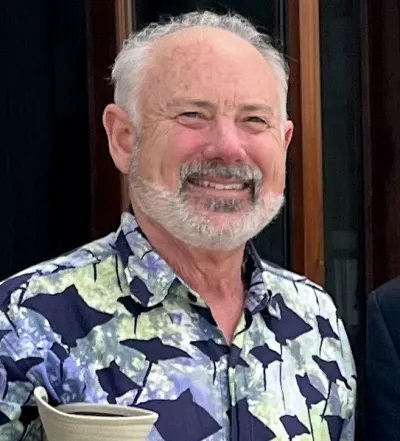
Dr. Scott F. Gilbert is the Howard A. Schneiderman Professor of Biology (emeritus) at Swarthmore College, where he has taught embryology and the history and critiques of biology. He is also a Finland Distinguished Professor (emeritus) at the University of Helsinki. He received his B.A. in both biology and religion from Wesleyan University, and he earned his MA in the history of science and his PhD in biology from the Johns Hopkins University. Scott’s biological research concerns how changes in embryonic development can generate evolutionary novelties. His research in the philosophy of biology concerns how scientifically false narratives still play major roles in the public perception of fertilization, development, and childbirth. Scott is the co-author of the textbooks Developmental Biology, Ecological Developmental Biology, and Evolution Evolving as well as Fear, Wonder, and Science in the Age of Reproductive Biotechnology, a trade-book concerning both the scientific and emotional aspects of reproductive biotechnology. Scott has received several awards for his work in evolutionary developmental biology, including a John Simon Guggenheim grant and the Kowalevsky Prize in Evolutionary Developmental Biology. He received the Burnhill Award from the American Reproductive Health Association in 2009. Learn more about Dr. Gilbert.
Dr. Gilbert’s Presentations
We Are Not Individuals: Holobiont Theory and the Importance of Microbiomes Determining “Who’ We Are"
We are not the individuals whom we had thought we were. Rather, we are "holobionts," integrated collections of several species that help create our anatomical, physiological, and behavioral phenotypes. The human microbiome contains trillions of bacteria, archaea, and fungi in and on our bodies, and these organisms form integrated metabolic networks that help define who we are. Each organism therefore has numerous genomes, not merely the one created at fertilization. Microbes are crucial for normal development, both inside and outside the uterus. Moreover, our reproduction is scaffolded by microbes. Gut microbes in pregnant mice generate immune cells that migrate from the gut to the uterus and suppress the immune response that would otherwise kill the fetus. Mother's milk has nutrients for promoting the propagation of those bacteria that are needed for normal development. The microbiome also helps build the immune system, redefining what is considered "self." Recent research has also shown that many behaviors are also scaffolded by the microbiome. Signaling from the gut microbiota to the brain occurs though neural, endocrine, and immune connections. Studies with experimental animals provide evidence that the numbers and types of symbiotic bacteria may be critical in allowing certain modes of behavior.
Myths of Reproduction: How Violent and Competitive Stories About Fertilization, Development, and Childbirth Are Propagated as Science
Three false ideas about reproduction are being propagated as science. The first is that fertilization is a trial of masculine prowess. Fertilization is seen as a race of sperm through a passive female reproductive tract, followed by the active victorious sperm penetrating the passive egg. This is a version of the Myth of the Hero, and it has little to do with science. Reproductive biology sees the sperm and egg as immature cells that mutually activate and mature one another. Moreover, the female reproductive tract capacitates the sperm, maturing its cell membrane, and is an active agent in fertilization. Then, rather than penetrating the mammalian egg, the sperm "spoons" with the egg, allowing the egg cell membrane to surround the sperm and fuse with it. Thus, the two cells become one. Second, embryonic development also involves the mutual maturation of adjacent cells. Embryonic cells can direct which genes are expressed in neighboring cells. In such manner, complex organs can be formed. Development is not a direct read-out of the genome formed at fertilization. Third, childbirth is not a mere muscular repositioning of the fetus. The first breath activates gene expression in the heart, lungs, and brain, converting the fetus from an aquatic organism dependent on the placenta to a terrestrial baby dependent on its lungs.
Register for the Conference
General Admission: $350 (In-Person or Online via Zoom). *All tickets are for the two-day full conference. There are no single day ticket options.
Full-time students $100. Part-time Students: $175 Contact the Center with your student registration confirmation to receive the discount code.
CEs are included in the conference fee. Please select during registration.
Conference Presentations
The schedule includes presentations from these options.
20–30 minute presentations: Substantive presentations exploring a theoretical, clinical, research, organizational, educational, or interdisciplinary question relevant to Bowen family systems theory, followed by brief discussion.
5–7 minute presentations: Concise presentations highlighting a focused idea, observation, case example, research question, or emerging line of inquiry relevant to Bowen theory.
Poster Sessions are below presentations. Use the link to view topics and presenters.
Schedule
Friday, November 6, 2026
Time |
Program |
|---|---|
| 9:00 | Welcome & Opening Remarks |
| 9:05 | Guest Speaker Keynote We Are Not Individuals: Holobiont Theory and the Importance of Microbiomes Determining “Who” We Are Dr. Scott Gilbert |
| 10:00 | Session 1: Two Presentations with Discussion The Multigenerational Transmission Process and Inheritance Systems Robert J. Noone, PhD The Glue That Holds People Together: A Theoretical Update Margaret Donley, MSW This paper explores the biological foundations of emotional connection, arguing that early caregiving becomes embedded in the autonomic nervous system through functional Pavlovian conditioning. These evolutionarily conserved processes, beginning in utero, extend beyond the individual dyad to the family as an emotional unit. 5 Minute Discussion |
| 11:10 | Break |
| 11:30 | Five Minute TED Talks — Round 1 Sexual Abuse in the Family: Use of Bowen’s Family Systems Theory with Adolescents who Abuse their Siblings Alejandro Astorga, MA This presentation will address the processes of violence and abuse in the family, particularly when children or adolescents sexually abuse their siblings from Murray Bowen's family systems theory. Understanding the family as an emotional unit is key in this endeavor. Use of the Family Unit Functioning Questionnaire to Identify Projection: A Case Study Candace Brown, PharmD, DNP, PMHNP-BC The Family Unit Functioning Questionnaire was developed to assess family unit functioning using Papero's system model. In this case study, it confirmed a suspected family projection process, suggesting a potential use in identifying primary emotional patterns in therapy. 5 Minute Discussion Applying Papero's “Family Assessment Model”: Clinical Observations from Families Impacted by Addiction Alana C. Smith, LCSW, LCDC Utilizing Dr. Dan Papero's “Family Assessment Model,” this presentation demonstrates a structured approach to assessing family functioning in families impacted by addiction. A case example will illustrate how the model's five dimensions can guide assessment, identify opportunities for increased differentiation of self, and translate Bowen family systems theory into practical clinical intervention. 76 Days: Navigating Mission, Identity, and Anxiety in the United States Coast Guard during a Government Shutdown Fr. Phillip Webster During the most recent government shutdown, United States Coast Guard (USCG) personnel experienced heightened tension as mission priorities, organizational demands, and fiduciary impacts shifted amid political conflict. A systems approach helped individuals and leaders manage competing demands and gain clarity of purpose. This personal academic reflection explores how USCG personnel navigated personal values while honoring their commitment to the Coast Guard’s mission. 5 Minute Discussion |
| 12:00 | Lunch Poster session in Poster Room (presenters at posters) |
| 1:00 | TED Talks — Round 2 Family Systems Theory in Dialogue with Narrative Therapy and Narrative Medicine: Is There More to the Story? Monica D. Griffin, PhD Family systems theory (FST, Bowen, 1975) presents an opportunity to navigate emotional dynamics as naturally occurring in broadened contexts of societal communities, institutions, and phenomenological influences of culture, policy, power, and positions for agency—in dialogue with Narrative Therapy and Narrative Medicine. Introducing the Science of Complex Systems Edward J. Henley, MDiv The science of complex systems has tools for modeling and predicting systemic phenomena. “Fuzzy logic” working with probability theory began being incorporated into computer analysis some 60 years ago and is increasingly being brought into the study of living systems (including humans). 5 Minute Discussion The Leader’s Function: A Key Component of Family System Functioning The Rev. Dr. Douglas Schonberg, BA, MDiv, DPT Bowen family systems theory has within it a latent concept, that of the leader’s function. As with Bowen’s other concepts, the functioning of the leader directly impacts the function of the system. This can be shown in both Bowen’s writings, clinical observation, and ethological examples. Beyond the Emotional System and Disciplinary Boundaries: Can Bowen Theory Reveal Overarching Principles of Biological Organization? Ashley North, LMFT Rather than asking only how Bowen theory and holobiont theory inform one another, this presentation asks what their apparent separation reveals about the organization of scientific knowledge and our ability to recognize recurring organizational principles across living systems. 5 Minute Discussion |
| 1:30 | Break + Transition to Rooms |
| 1:50 | Breakout Round 1 Emotional Systems and International Engagement: Applying Bowen Family Systems Theory to Diplomatic Practice and International Affairs J. Michael Laidlaw, MDiv This abstract briefly demonstrates how I will introduce Bowen theory’s core concepts, including differentiation of self, emotional triangles, sibling position, emotional cutoff, the emotional system, and emotional process in society into the arena of international affairs, translating each into the vocabulary of diplomatic experience and practice. Cases drawn from history will illustrate how these concepts illuminate behavior that conventional international relations language and frameworks cannot adequately explain. Emotional Freedom Randall T. Frost, MDiv Progress toward more differentiated functioning by key leaders can strengthen democracy and modify societal regression by enabling leaders to be less governed by reactive feeling states. Concurrent — 50 Minutes |
| 2:40 | Transition Between Topics |
| 2:50 | Breakout Round 2 Rethinking Individuality Through Plants: Murray Bowen’s Bet on the Biological World Father Jean-Philippe Auger This presentation challenges the anthropocentric view of individuality by drawing on the biological characteristics of plants. It aims to explore individuality within Bowen’s theory itself, thanks to the new insights offered by the concept of the holobiont. The Use of Stories and Teaching in Family Psychotherapy: Exploring This Often-Overlooked Aspect of Bowen’s Clinical Practice Jenny Brown, PhD This presentation examines Bowen’s use of stories, parables, and examples from other families to teach systems concepts and assist people in solving their own problems. The presenter describes her application in clinical work and writing, as well as the pitfalls and lessons learned along the way. Concurrent — 50 Minutes |
| 3:40 | Break + Transition to Main Room |
| 3:50 | Closing Session The Illusion of Understanding: Learning About Bowen Theory Without a Slide Deck Kathleen Smith, PhD, LPC Bowen theory is an attempt to get factual about human functioning. So how do those teaching it stay factual about human learning? This presentation will introduce three science-based learning techniques: collaborative visual thinking, embodied cognition, and intellectual conflict. It will explore how Bowen himself used some of these techniques alongside the development of the theory and how some have fallen away with emerging passive technologies. All attendees, Main Room |
| 4:30 | Conference Day Ends |
Saturday, November 7, 2026
Time |
Program |
|---|---|
| 9:00 | Welcome & Opening Remarks |
| 9:05 | Keynote Presentation Myths of Reproduction: How Violent and Competitive Stories About Fertilization, Development, and Childbirth Are Propagated as Science Dr. Scott Gilbert |
| 10:00 | Session 1 — Two Presenters and Discussion Triangles in Nature and the Family Victoria Harrison, MA A study of triangle patterns in species along the human phylogenetic lineage raises questions about how they function in families and other forms of life to regulate reactivity and contribute toward survival and reproduction. Has Togetherness Acquired a Bad Reputation? Revisiting Togetherness in Bowen Theory Vanessa M. Roulette Ellison, MSW, MDiv, LCSW Has togetherness acquired a bad reputation? This presentation explores how togetherness is understood in Bowen Theory and what may be gained by revisiting Bowen's original conceptualization of togetherness as a fundamental life instinct in human functioning. 20 Minute Shared Discussion |
| 11:10 | Break |
| 11:30 | Five Minute TED Talks — Round 1 The Emergence of Cooperation: Societal Adaptation through the Lenses of Bowen Theory and Complex Living Systems Rev. Ed Brock, DMin, LMHC Drawing on the development of a coalition uniting organizations with substantial ideological, religious, cultural, and socioeconomic differences around shared community goals, this presentation explores whether the emergence of such cooperation represents an observable marker of societal adaptation through the complementary lenses of Bowen theory and complex living systems. Research of Tapes of Bowen’s Coaching Laurie Lassiter, PhD, MSW A collection of audio tapes of Bowen’s coaching over a four-year period documents his creative thinking in the last years of his life, as well as the obstacles faced by the client and family. 5 Minute Discussion Multigenerational Family Emotional Process and Human Adaptation in a Stressed Environment: Observations from Española, New Mexico Mercy Burton Russell, LCSW, EdD This presentation proposes that the multigenerational family emotional process is the primary mechanism for predictable patterns of human adaptation to chronic stress. Drawing on client and provider families from a behavioral health clinic in Española, New Mexico, it examines how Bowen theory concepts describe adaptation across generations. It Isn’t Just the Leader: Emotional Process and Adaptivity in the Family Enterprise Sriram Sridharan, MLHR, MA The study of the family enterprise in the emotional field of the multigenerational family moves perspective beyond cause-and-effect thinking and provides insight into what shapes an organization’s adaptivity, which is its ability to face and navigate internal and external challenges. 5 Minute Discussion |
| 12:00 | Lunch |
| 1:00 | Five Minute TED Talks — Round 2 Things I Would Never Have Done (Except for Bowen Theory) Anthony J. Wilgus, MA, MSW Having the courage to think differently and to focus upon one’s own part in any relationship dilemma requires a change in mindset, an approach implicit in Bowen theory. This presentation highlights how this shift allows for the creative implementation of new ways of being in the family and elsewhere. Self-Fulfillment in Illness Perception: A Systems View of Chronic Illness Functioning Dawn M. Shepard, DNP, APRN, PMHNP-BC, PMHNP-C, FNP-C, AGNP-C, CCM This brief presentation relocates a clinical pattern of narrowed illness functioning, originally placed in patient cognition, to the emotional process of the patient-family-clinician system, using Bowen theory to reframe chronic illness functioning as bound anxiety rather than individual perception. 5 Minute Discussion Everyone Might Not Move UP: The Journey of Family Therapy Katherine White, MS, RMFT This talk explores the challenge of holding that tension: staying connected to a family system while no longer carrying responsibility for everyone else's reaction, functioning, or change in response to one's own growth. A very challenging tension to hold. 5 Minute Discussion |
| 1:30 | Break + Transition to Rooms |
| 1:50 | Breakout Round 1 Fusion in the Clinic: Navigating the Tensions of Modern Clinical Practice William Orme, PhD This presentation will explore patterns of emotional reactivity that emerge in treatment teams in response to tensions in modern clinical practice. On Energy: An Initial Effort to Think Energy in Bowen Theory Mallory Thorp, LCSW “Energy” appears seventy-seven times in the papers that comprise Family Theory in Clinical Practice (Bowen, 1978). This presentation represents an effort to begin thinking about energy, its place in Bowen theory, and how it operates in living things—from cells all the way to family systems. Dr. R.K. Naviaux’s research on mitochondria, the Cell Danger Response, and its implications for energetic operations in living relationship systems will be explored (Naviaux, 2014). Concurrent — 50 Minutes |
| 2:40 | Transition Between Topics |
| 2:50 | Breakout Round 2 Does a “Self” Evolve or Collapse? Applying Quantum Science to Bowen’s Understanding of Human Relationship Systems Christopher F. Burnett, PsyD This presentation applies assumptions made in quantum mechanics to the established biological foundations of Bowen’s theory. It asserts that doing this expands the concept of systems thinking in clinically useful ways, moving beyond constructs of health and pathology in family relationships. Beyond the Emotional System and Disciplinary Boundaries: Can Bowen Theory Reveal Overarching Principles of Biological Organization? Ashley North, LMFT Rather than asking only how Bowen theory and holobiont theory inform one another, this presentation asks what their apparent separation reveals about the organization of scientific knowledge and our ability to recognize recurring organizational principles across living systems. Concurrent — 50 Minutes |
| 3:40 | Break + Transition to Main Room |
| 3:50 | Closing Session Simulating the Family Emotional System: Agent-Based Modeling as a Tool for Testing Bowen Theory Amie Post, MA Bowen theory’s explicit causal claims make it well-suited to agent-based modeling, a method used broadly in complex-systems science to test theory faster than observation alone. This presentation will describe an effort to develop an agent-based model that describing the model’s rule set, drawing on Papero’s model, and initial simulation results. grounded in Bowen theory. All attendees, Main Room |
| 4:30 | Conference Day Ends |
Poster Sessions
Poster sessions are visual presentations of research, theory, clinical work, organizational application, or interdisciplinary inquiry designed to foster informal conversation and discussion with attendees.
Mapping Family Process: Artistic inquiry and Differentiation of Self
Heather Brown, MA, LMFT
Differentiation of self is a central concept in Murray Bowen's family systems theory, describing the capacity to maintain a clear sense of self while remaining emotionally connected within relationship systems. This project investigates whether the visual representation of family process can support the development of greater neutrality in relation to multigenerational emotional process.
An Organizational Mirror – Seeing a Differentiation of Self in What We Build
Nadja Subotic Dobre
Among the Signs: Differentiation and Qur’anic Ecological Perception
Syazana Durrani, MA
This presentation uses the Symposium’s holobiont theme as a starting point for bringing Bowen family systems theory into conversation with Qur’anic ecological perception. It considers differentiation not only as a marker of emotional and spiritual maturity, but as right placement within a living order of signs.
Rev. David L Goodine, MDiv
This presentation explores when a family experiences a traumatic event the biological reactions of the human body exhibit an anxious response, but also an imperative to seek others, such a pastor, for support. One’s thinking can determine whether it is deleterious or neutral.
The Zoo of Change: Toward a More Precise Observation of Transformation
Jake Morrill, MDiv, LMFT
One way to see Bowen family systems theory is as a theory of change. Yet people often speak of "change" as though it were a single phenomenon. Evolutionary biology suggests otherwise. Over the past century and a half, evolutionary scientists have developed increasingly differentiated accounts of how living systems persist, adapt, diversify, and transform. Rather than offering a single model of change, the field now recognizes multiple, empirically grounded patterns, each illuminating a different aspect of evolutionary process. This poster asks what Bowen theory might learn from that increasing differentiation of observation.
Related Event
consultations in Bowen Theory
NOVEMBER 5, 2026 | Arlington, VA or Online
Systems Thinking, Science, and Helping—A Journeyman’s Odyssey
Hybrid Conference: Saint George's Episcopal Church, Arlington, VA or Online
Systems Thinking, Science, and Helping—A Journeyman’s Odyssey. The first of the yearly Consultations in Bowen Theory presentations is a longer program that takes place the day before the Symposium, This 6 hour program typically features two videotaped sessions and more extensive presentations or other programing, such as faculty panel discussions. Ample time for discussion is provided. It is nearby the Symposium location and is also available online. 5 CEs are available.
Location and Hotel Block Reservations
The Symposium will be held at the Fuse Center in Mason Square, George Mason University, 3351 Fairfax Drive, Arlington VA 22201
Hotel: The Center has reserved a block of hotel rooms at the Hilton Arlington for Symposium attendees. From the hotel, the conference is accessible by Metro, car, and is approximately a 15 minute walk. Use the hotel to conference direction link below.
Register here for the hotel block rate. Registration ends October 6, at 12 pm ET or until the hotel block is full.
Useful links:
Mason Square Getting There | Conference parking | Directions: hotel to conference | Hotel amenities and parking | Location map below
Questions and Updates
Contact us for questions. You may also subscribe to our newsletter for conference updates.
Continuing Education Credits
CEs will be available for selection when registering. This two-day conference provides 13 Category 1 continuing education (CE) credit hours for counseling or social work. **Selection of CE’s indicates you’ve read and accepted the CE requirements below.
REQUIREMENTS FOR CE ELIGIBILITY:
Attend each live streamed or in-person class in its entirety. The CE coordinator will note your attendance. We do not offer partial credits for partial attendance.
If livestreamed, enable video and show your name on screen so that you are visible throughout the entirety of the conference, except during designated breaks or lunch.
Submit a completed evaluation no more than 60 days after the event. Shortly after the submission of your completed evaluation, you will be emailed a certificate.
POLICIES:
We are unable to offer CE credit for viewing any recordings.
We do not offer partial CE credit for partial event attendance.
It is the sole responsibility of the participant to verify their state’s professional licensure criteria for CE qualifications.
LEARNING OBJECTIVES
Invite experienced Bowen thinkers from around the US and internationally to present their application of Bowen theory to clinical, research, and theory applications.
Invite a scientist to speak as a Distinguished Guest Lecturer to present latest research that has an interplay with Bowen theory.
Generate lively discussion on the presentations with the goal of provoking new learning and connections in the application of Bowen theory.
The Bowen Center for the Study of the Family/Georgetown Family Center is authorized by the Maryland Board of Social Work Examiners to provide continuing education credit. This program is a Category I offering.
The Bowen Center for the Study of the Family/Georgetown Family Center has been approved by the National Board for Certified Counselors (NBCC) as an Approved Continuing Education Provider, ACEP No. 6225. Programs that do not qualify for NBCC credit are clearly identified. The Bowen Center for the Study of the Family/Georgetown Family Center is solely responsible for all aspects of the programs.
If you have any questions about Continuing Education, please email ContinuingEducation@thebowencenter.org
ACEP No. 6225

Bowen Theory Resources
The Center offers a variety of resources to explore Bowen theory.
Publications: Books on Bowen theory published by the Bowen Center and other publishers. The Center’s latest book is Thinking Systems.
Family Systems Journal: Learn about our twice-yearly peer reviewed journal and view current, upcoming, and back issues.
Media: Visit our video page for links to The Basic-Series and the Bowen-Kerr Interviews, special topics recordings, previous conference recordings, and our YouTube Channel, which includes recordings of the Professional Lecture Series.
Previous Symposiums
2024 - 61st Annual Symposium on Family Theory and Family Psychotherapy
2023- 60th Annual Symposium on Family Theory and Family Psychotherapy
2022- 59th Annual Symposium on Family Theory and Family Psychotherapy
2021- 58th Annual Symposium on Family Theory and Family Psychotherapy
To see all available Symposium recordings please visit our Symposium Recordings Web Page.
To learn more about our other recordings, both free and available for purchase, please visit our Video Page.